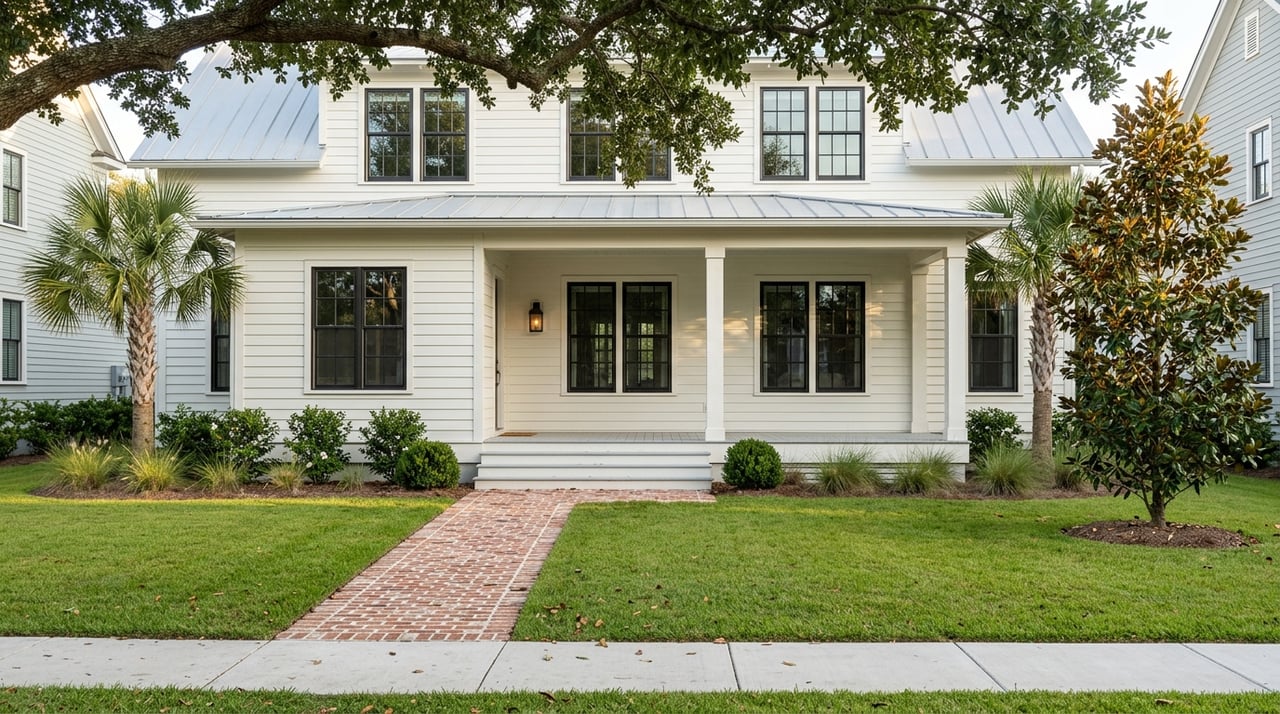
Wondering if you should list now or wait for a better window in Charleston? That question matters because timing can shape how quickly your home sells, how much negotiating power you have, and how buyers respond when your property hits the market. If you want to make a smart, confident move, the key is reading the local signals instead of guessing. Let’s dive in.
What Charleston sellers should watch
If you are trying to decide when to sell in Charleston, four market signals matter most: inventory, days on market, months of supply, and the gap between list price and sale price. These numbers help you understand how much competition you face and how much leverage buyers may have.
In Charleston, it helps to read city and MLS data together. Zillow offers a city-level snapshot of home values and listing activity, while Charleston Trident MLS reflects a broader market area through sales data. They are not direct apples-to-apples comparisons, but together they give you a more complete view of the market.
What the latest Charleston data shows
As of April 30, 2026, Zillow reports the average Charleston home value at $593,739, which is up 0.6% over the past year. It also shows 1,633 homes for sale and 445 new listings, which points to active competition for sellers to keep in mind.
Zillow also reports homes going pending in about 28 days in Charleston. The median sale price is $577,500, while the median list price is $650,729, and the median sale-to-list ratio is 96.9%. Another notable stat is that 78.1% of sales closed under list price, which suggests buyers have room to negotiate in many cases.
Looking at the broader Charleston Trident MLS market, CTAR’s April 2026 housing supply report shows a 12-month median sales price of $429,990, up 2.4% year over year. Inventory was up 3.0% year over year, which means sellers are seeing a bit more competition than they were before.
Why months of supply matters
One of the clearest timing tools for sellers is months of inventory, also called months of supply. In CTAR’s April 2026 report, single-family homes sat at 3.3 months of inventory, while condos were at 3.9 months.
A common rule of thumb is that anything under four months of supply still leans toward sellers. That does not mean every home will move fast or command top dollar, but it does suggest that Charleston sellers still have a favorable backdrop compared with a fully balanced market.
That said, the advantage is not as strong as it can be during a tighter spring window. When inventory starts rising, buyers usually feel less pressure and become more selective.
Charleston seasonality still matters
The calendar does not tell the whole story, but it does matter in Charleston. CTAR’s monthly trend line shows homes moved faster in late spring and early summer than they did in winter.
From May through July 2025, homes were taking roughly 43 to 45 days to go under contract. By contrast, January and February 2026 stretched to 57 and 59 days, and April 2026 came in at 51 days.
That pattern points to a consistent local reality: spring and early summer tend to bring stronger buyer activity, while winter is usually slower. If your goal is to reach buyers when momentum is stronger, late spring may give you an edge.
Why late spring often stands out
National Zillow research found that buyer demand typically peaks before Memorial Day, as many households want to move during the summer. In its 2025 analysis, homes listed in the last two weeks of May sold for 1.7% more nationwide, or about $6,000 on a typical U.S. home.
While the best week to list can vary by metro, that national pattern lines up with Charleston’s local seasonality. Homes here have also tended to move faster during the late-spring and early-summer period than in the winter months.
If you apply that 1.7% timing premium to Charleston’s March 2026 median sale price of $577,500, the difference is roughly $9,800 before closing costs. That is not a guarantee, of course, but it shows how launch timing can affect your gross proceeds.
Price band can change your timing strategy
When to sell in Charleston is not only about the month. It is also about where your home sits in the market by price.
According to CTAR’s April 2026 supply report, homes in the $500,001 to $750,000 range tended to sell the fastest, at 44 days. Homes priced at $150,000 and below took longer, averaging 71 days.
That difference matters because buyer demand is not spread evenly across all price points. If your home falls into a more active price band, you may have more flexibility. If it sits in a slower segment, the right pricing and presentation become even more important.
Competition can shape your outcome
Many sellers focus on price, but competition is just as important. If you list when supply is already building, buyers tend to have more choices and less urgency.
In the Charleston Trident market, inventory was up 3.0% year over year in April 2026. Even though single-family and condo supply remained under four months, that increase still suggests a little less pricing power than sellers may see in a tighter market.
This is why timing your launch well matters. A home that hits the market before more competing listings arrive may benefit from stronger attention and better early activity.
So, when is the best time to sell in Charleston?
Based on the data, the strongest case points to late spring rather than winter. Charleston’s local market has shown slower winter days on market, while spring and early summer have brought quicker buyer response.
That does not mean there is one perfect month for every seller. Your ideal timing still depends on your goals, your home’s condition, your price range, and how much competition is active when you plan to list.
A well-prepared home can still sell in any season. But if you have flexibility, the evidence suggests that launching in late spring may give you a stronger mix of buyer activity, faster pace, and better positioning.
How to decide if now is your window
If you are thinking about selling, ask yourself a few practical questions:
- How many similar homes are already listed near mine?
- Is my home in a price band that is moving quickly?
- Am I prepared to price based on current buyer behavior, not last year’s market?
- Do I have time to improve presentation before listing?
- Would waiting push me into a season with slower activity?
These questions can help you move from general market headlines to a decision that fits your home and your timeline.
Why preparation matters as much as timing
Even in a seller-leaning market, buyers notice condition, pricing, and presentation. If most homes are selling under list price, your launch strategy matters more than ever.
That is where thoughtful prep can make a real difference. Strong photography, polished marketing, and a pricing plan grounded in the current Charleston market can help you stand out when buyers have options.
At Sonder, we believe your sale is both a financial move and a life transition. The goal is not just to list at the right time, but to launch with a plan that respects both the story and the numbers.
If you are weighing your next move in Charleston, Sonder Home Team can help you read the market, understand your timing options, and build a listing strategy around your goals.
FAQs
When is the best season to sell a home in Charleston?
- Charleston market data suggests late spring and early summer often bring stronger buyer activity than winter, with faster days on market during that period.
What market signals should Charleston sellers watch before listing?
- Charleston sellers should watch inventory levels, days on market, months of supply, and the spread between list price and sale price.
Is Charleston a seller’s market right now?
- April 2026 CTAR data showed 3.3 months of inventory for single-family homes and 3.9 months for condos, which still leans seller-favorable under the common under-four-month rule of thumb.
Do Charleston homes usually sell at asking price?
- Not always. Zillow reported a 96.9% median sale-to-list ratio in Charleston, and 78.1% of sales closed under list price as of April 30, 2026.
Does price range affect how fast a Charleston home sells?
- Yes. CTAR reported that homes priced from $500,001 to $750,000 sold faster than lower price bands in April 2026, showing that demand can vary by segment.
Should I wait until late spring to sell my Charleston home?
- If you have flexibility, late spring may offer an advantage based on local seasonality and buyer activity, but the right timing also depends on your home’s condition, pricing, and competition.