Trying to choose between a historic home and a new build in Summerville? You are not alone. This is one of the biggest lifestyle decisions buyers face here, because each option offers a very different way to live day to day. If you are weighing character against convenience, or walkable downtown access against built-in amenities, this guide will help you sort through the tradeoffs with more clarity. Let’s dive in.
Why This Choice Feels So Different
In Summerville, the decision is not just about the age of the house. It is often about the kind of routine, setting, and responsibilities you want your home to support.
Downtown Summerville is centered around historic buildings, local businesses, and civic spaces that have been restored and brought back into active use. Hutchinson Square sits at the heart of that experience, hosting town events, concerts, and festivals.
Newer communities around Summerville offer a different model. In places like Nexton, Cane Bay Plantation, and Summers Corner, the lifestyle often centers on neighborhood amenities such as trails, parks, pools, clubhouses, and nearby retail or services.
Historic Homes in Summerville
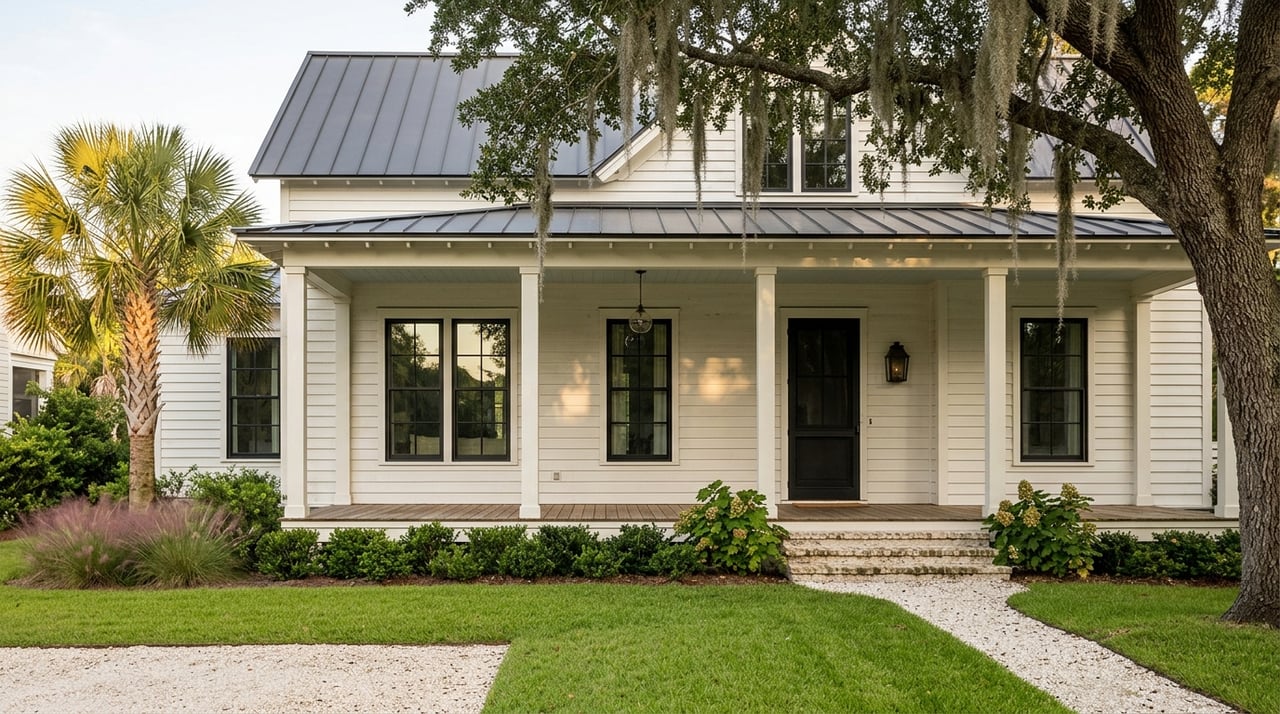
If you are drawn to homes with personality, older streetscapes, and a more established downtown feel, historic Summerville may be the right fit. These homes often stand out because of their architectural variety and connection to the town’s earlier development.
Historic Character and Design
Summerville’s historic core includes more than just a few older houses. The Town’s Historic District Design Guidelines describe a mix of vernacular and high-style architecture, including Victorian-era influences like Italianate, Gothic Revival, Queen Anne, Romanesque, and Stick/Shingle styles.
That variety is a big reason many buyers see historic homes as more individual and distinctive. If you want a home that feels less standardized and more tied to place, this can be a strong advantage.
Downtown Access and Daily Life
For many buyers, the biggest draw of a historic home is location. Downtown Summerville offers access to Hutchinson Square, older commercial streets, and public spaces that shape the town’s social life.
Nearby parks and trails, including Azalea Park and the Sawmill Branch Trail, also support a more connected daily routine. While this is not a formal walk-score comparison, the Town’s own descriptions suggest downtown is one of the strongest options if you want to be near events, gathering spaces, and active public areas.
What to Know About Rules and Renovations
Historic homes can come with more oversight, especially in the Downtown Historic District. The Town’s Historic District and Board of Architectural Review reviews new construction, exterior modifications, and demolition within that area.
That matters if you are thinking ahead to updates or additions. The Town also uses Historic District Design Guidelines to direct demolition, renovation, rehabilitation, and new construction, so exterior projects may involve more review than similar work in a newer neighborhood.
Maintenance and Inspection Considerations
Older homes usually require more careful due diligence before you buy. Homes built before 1978 are more likely to have lead-based paint, and renovation work can create lead dust. Older plumbing materials can also be worth closer review.
You may also need to budget for ongoing upkeep or efficiency improvements. Homeownership always includes maintenance, and older homes can bring more of it, from windows and porches to insulation, air sealing, and larger system updates over time.
New Builds and Planned Communities
If you prefer newer systems, more predictable maintenance, and neighborhood amenities designed into the community, a new build may feel like a better match. In the Summerville area, that often means looking at larger planned communities with a more structured layout and lifestyle.
Amenities That Shape Everyday Living
One of the main benefits of newer communities is how much they build into daily life. Nexton highlights parks, natural open space, paved paths, rugged trails, a clubhouse, a pool, tennis, a yoga studio, and trail access to much of its retail and dining.
Cane Bay Plantation also emphasizes an amenity-based lifestyle. Its trail system is planned to exceed 25 miles and connect communities and amenities, and the community also points to daily services and a shopping center within the development.
Summers Corner takes an even more amenity-focused approach. Its community materials describe a large pool complex with lagoon-style features, a restaurant, an adults-only pool, a splash park, and waterslides, with membership tied to homeownership in the community.
Modern Systems and Early-Year Predictability
A new build often appeals to buyers who want fewer unknowns at the start. Builder warranties on newly built homes generally cover workmanship and materials for about one year, many systems like HVAC, plumbing, and electrical for about two years, and in some cases major structural defects for longer.
That does not mean a new home is maintenance-free. Warranties vary, and they may not cover every out-of-pocket cost during repairs, but they can reduce some of the uncertainty that comes with an older property.
HOA Fees and Community Rules
Most planned communities also come with HOA dues or similar fees. Those dues are usually separate from your mortgage payment, so they need to be part of your real monthly budget from the beginning.
It is also important to think about the tradeoff. You may gain shared amenities and a more uniform community environment, but you are also agreeing to a more rule-based structure and ongoing fees.
How to Compare the Two
When buyers compare historic homes and new construction in Summerville, the best choice usually comes down to lifestyle, budget comfort, and how much hands-on responsibility you want to take on.
A historic home may be the better fit if you want a downtown-oriented lifestyle, value architectural character, and feel comfortable with more inspection risk, preservation review, and possible renovation work.
A new build may be the better fit if you want modern floor plans, newer systems, built-in amenities, and more predictability in the early years of ownership. You just need to be comfortable with HOA dues and community rules.
Questions to Ask Yourself
Before you decide, it helps to step back from finishes and floor plans and think about your day-to-day priorities.
Ask yourself:
- Do you want to be closer to downtown events, historic gathering spaces, and public parks?
- Do you enjoy the character of older architecture enough to take on more maintenance or renovation planning?
- Would you rather invest in location and individuality, or in newer systems and neighborhood amenities?
- Are HOA dues and community rules worth it to you in exchange for pools, trails, clubhouses, or nearby services?
- If you buy an older home, are you prepared for added inspection and permitting due diligence before making changes?
Why Due Diligence Matters in Summerville
No matter which direction you choose, local process matters. In Summerville, the Town’s Building Department requires permits and inspections for many new construction, renovation, and repair projects involving structural, electrical, gas, mechanical, and plumbing work.
The Planning Department also handles zoning, mapping, historic preservation, and coordination with the historic review process. If you are buying in the historic core and already thinking about renovations, that makes pre-purchase research especially important.
The Right Home Depends on Your Story
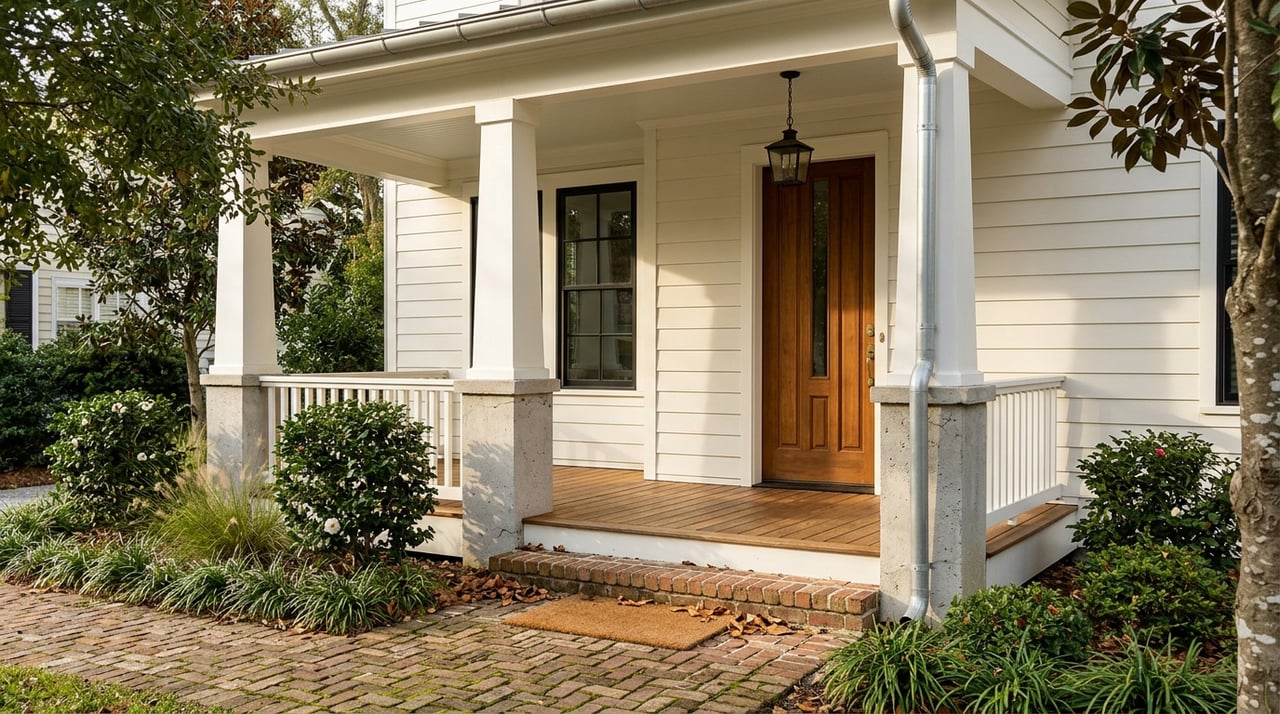
There is no universally better answer in Summerville, only the better fit for how you want to live. Some buyers feel at home the moment they step onto an older porch near downtown. Others want the ease of a newer floor plan, connected trail systems, and amenities built into the neighborhood.
The key is to choose with clear expectations. When you understand the tradeoffs between charm and convenience, oversight and predictability, you can move forward with more confidence and less second-guessing.
If you want help weighing your options in Summerville, the Sonder Home Team can help you compare neighborhoods, home styles, and lifestyle fit with local insight and thoughtful guidance.
FAQs
What is the main difference between a historic home and a new build in Summerville?
- A historic home usually offers more architectural character and closer access to downtown Summerville, while a new build often offers newer systems, modern layouts, and planned community amenities.
What should you know before buying a historic home in Summerville?
- You should plan for more due diligence, including inspection concerns, possible lead-safe renovation considerations in older homes, and possible review requirements for exterior changes in the Downtown Historic District.
What are the benefits of new construction in the Summerville area?
- New construction can offer more predictable early maintenance, builder warranty coverage, modern floor plans, and access to amenities like trails, pools, clubhouses, and nearby services.
What costs should you factor into a planned community in Summerville?
- In addition to your mortgage, you should factor in HOA dues or similar community fees, since those costs are usually separate from your monthly loan payment.
Why do permits matter when buying a home in Summerville?
- Permits matter because the Town requires them for many construction, renovation, and repair projects, and historic-area homes may also involve additional planning or preservation review for exterior work.