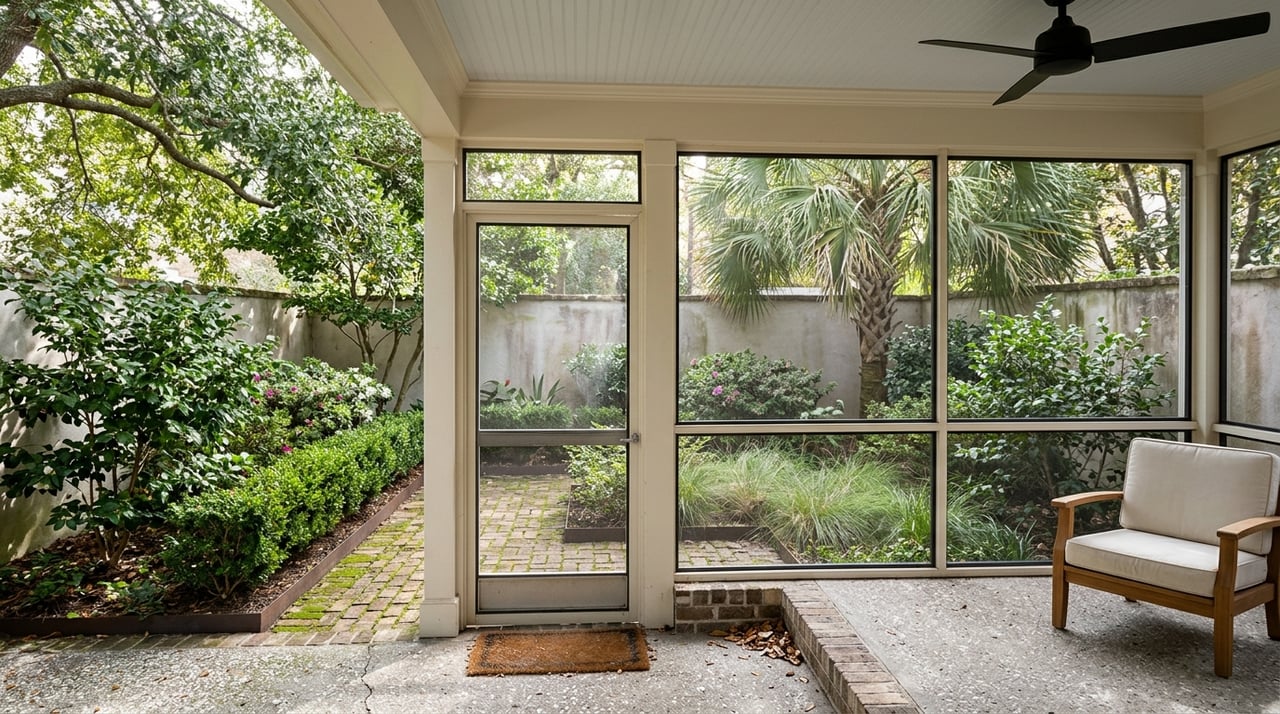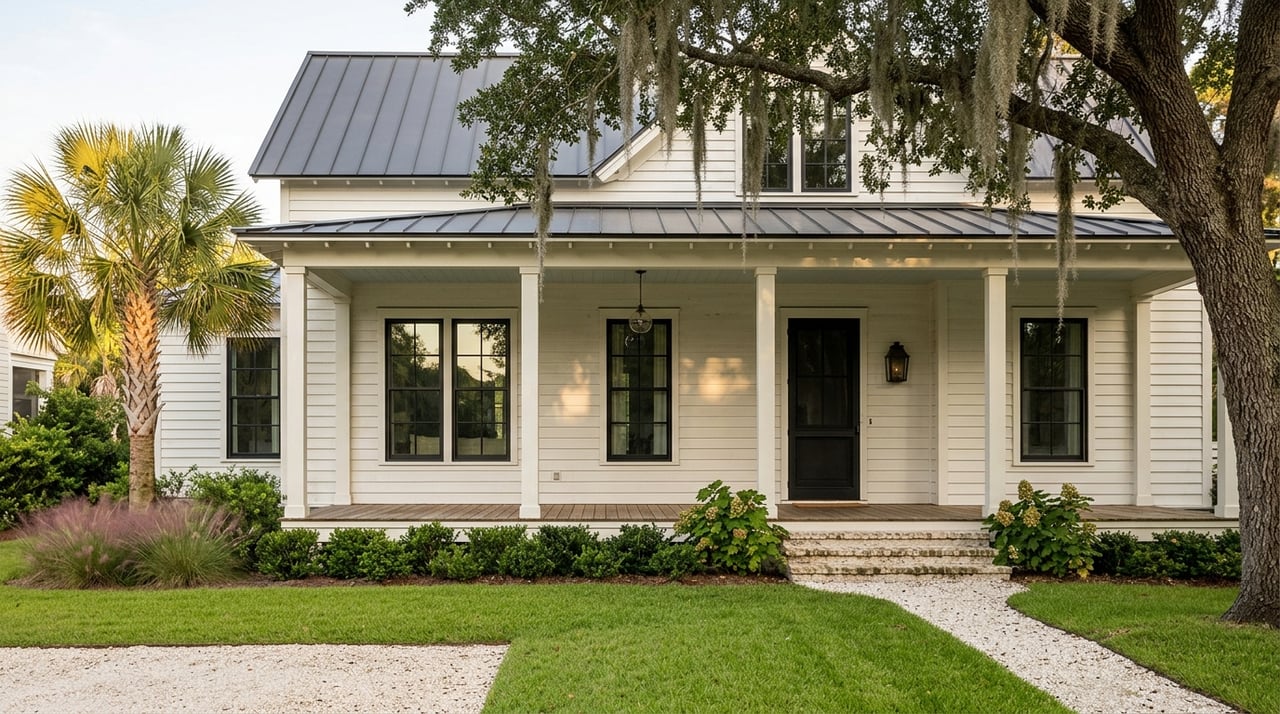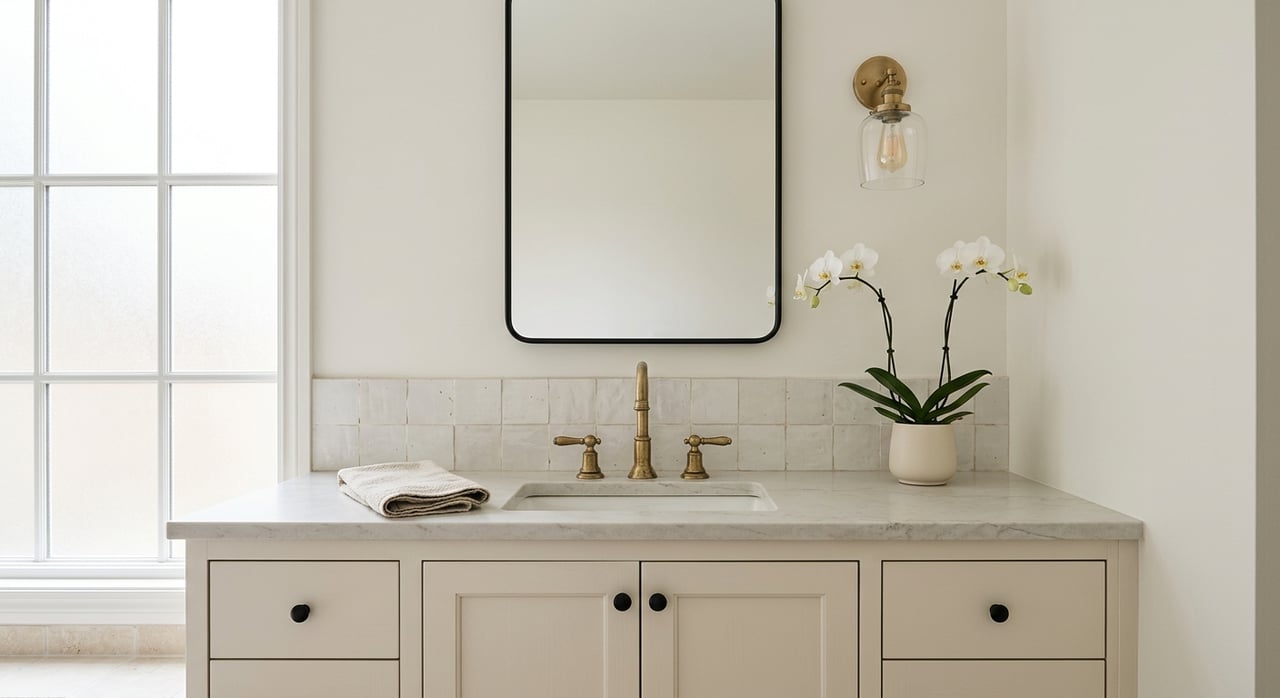
Selling in Mount Pleasant is not just about putting a sign in the yard and hoping for the best. In a market where the median sale price is about $874,477, homes sell in around 58 days, and nearly 30.1% of listings have price drops, preparation can shape both your timeline and your bottom line. If you want to attract strong interest early, this guide will help you plan the right repairs, staging, paperwork, and launch timing so your home hits the market ready. Let’s dive in.
Why prep matters in Mount Pleasant
Mount Pleasant is a somewhat competitive market, but that does not mean every listing performs the same. Redfin reports an average of two offers per home and a 97.9% sale-to-list ratio, which shows buyers are active but still selective. Homes that are priced well and presented well tend to stand out faster.
That first impression matters even more when so many sellers are chasing the same buyer attention. With 30.1% of listings seeing price drops, overpricing or listing before the home is truly ready can lead to extra time on market. A polished launch gives you a better shot at capturing interest before your listing starts to feel stale.
Mount Pleasant also comes with coastal considerations that affect seller prep. The town notes that hurricane season runs from June 1 through November 30, and some properties may fall within FEMA Special Flood Hazard Areas like Zones AE and VE. Standard property insurance does not cover flood losses, so buyers may pay close attention to drainage, moisture control, and flood-related documents.
Start with your ideal launch date
If you want the strongest possible debut, work backward from your target list date. Redfin says late April is the best time to list nationally, and on the East Coast, May tends to be best. That means if you are aiming for a spring launch in Mount Pleasant, your prep should begin well before the season arrives.
The first few weeks on market are especially important. Realtor.com reports that the first four weeks are the make-or-break window for sellers, and homes that close about four weeks after listing tend to see the best sale-to-list outcomes. In simple terms, you want to launch once your home is fully ready, not while you are still catching up on repairs and presentation.
A simple seller timeline
6 to 12 months out
Use this window for the big items. Focus on repairs, exterior upkeep, drainage issues, and any moisture concerns that could show up in photos or inspections. If you have crawl space concerns, leaks, musty odors, or visible wood damage, this is the time to deal with them.
30 to 60 days out
This is the detail phase. Finalize cleaning, decluttering, staging, disclosures, and document collection. Redfin’s listing timeline notes that listing setup often takes about 14 days, with photography scheduled in advance, so you want everything photo-ready before that clock starts.
Launch week
If possible, plan to go live on a Thursday or Friday. Redfin notes that listings are often activated late in the week so they can capture weekend traffic. That timing can help your home build momentum when buyer attention is highest.
Fix moisture and maintenance first
In Mount Pleasant, moisture is not a minor issue. EPA guidance is clear that mold prevention starts with moisture control, including drying wet areas within 24 to 48 hours, keeping indoor humidity below 60% if possible, cleaning gutters, and making sure water drains away from the foundation. Those steps are practical seller prep, not just routine maintenance.
This matters because buyers notice signs of moisture quickly. Ceiling stains, musty rooms, soft trim, peeling paint, or damp crawl spaces can create concern during showings and inspections. In a coastal market, those details can affect how buyers view the overall condition of your home.
The town of Mount Pleasant also highlights both localized flooding and storm-surge flooding. That makes exterior drainage, grading, gutters, and general water management even more important before you list. If your home has had flood-related improvements or if you have documents like an elevation certificate, gather them early.
Areas to check before photos
Exterior and drainage
Walk the outside of your home with a critical eye. Look for clogged gutters, overgrown landscaping, standing water, worn paint, and any spots where the ground slopes toward the house instead of away from it. These are details buyers may notice in person and in listing photos.
Crawl spaces and hidden areas
EPA notes that hidden spaces like crawl spaces, attics, and areas behind walls deserve special attention. If you have recurring dampness, odors, or visible moisture, address those problems before marketing begins. In South Carolina’s humid coastal environment, these issues can raise inspection concerns.
HVAC and interior maintenance
Dirty HVAC registers, blocked drain lines, and neglected drip pans can make a home feel less cared for. Simple maintenance can improve both presentation and peace of mind. If there has been water intrusion, quick repair is important since EPA emphasizes prompt response to leaks and wet materials.
If crawl-space moisture or visible wood damage is present, a pre-list wood-infestation or pest review may also be worth considering. Clemson maintains the official South Carolina Wood Infestation Report form, which gives sellers a local reference point for this issue.
Stage for the rooms buyers notice most
Once repairs are handled, focus on presentation. NAR’s 2025 Profile of Home Staging found that 83% of buyers’ agents said staging made it easier for buyers to picture a property as a future home. That matters because buyers often decide how they feel about a home within seconds of seeing it online.
Staging may also influence offers. In the same report, 29% of respondents said staging their sellers’ homes increased dollar value by 1% to 10%. While every property is different, those numbers show why presentation deserves real attention.
Prioritize the highest-impact spaces
NAR reports that the most commonly staged rooms are:
- Living room
- Primary bedroom
- Dining room
- Kitchen
If your time or budget is limited, start there. These rooms shape how buyers read the rest of the house, both online and in person.
Focus on clean, simple improvements
You do not need a major remodel to make a strong impression. NAR’s consumer guide recommends practical updates that fit most homes:
- Declutter every room
- Deep clean floors, surfaces, and windows
- Remove bulky furniture
- Pack away personal items
- Use neutral paint where needed
- Refresh the entry with a clean doormat, trimmed landscaping, and potted plants
In Mount Pleasant, that polished but natural look often fits the coastal setting well. Light, airy rooms tend to photograph better and help buyers focus on the home itself.
Budget for staging realistically
If you are weighing professional help, it helps to know the range. NAR reports a median cost of $1,500 for a staging service, compared with $500 when the seller’s agent handled staging. The right approach depends on your home, your budget, and the level of presentation you want.
Think digital first
Before most buyers ever step inside, they will meet your home online. NAR reports that buyers’ agents place high value on listing media, including photos at 73%, traditional staging at 57%, videos at 48%, and virtual tours at 43%. That makes photography and visual readiness central to your sale strategy.
In other words, your home should be ready for the camera before it is ready for the showing. That means repaired, cleaned, decluttered, and visually balanced. Professional photography can only highlight what is already there.
If you choose virtual staging, be careful about accuracy. NAR’s consumer guide notes that any photo enhancement that materially alters the property should be disclosed so buyers are not misled. Strong marketing should elevate the truth of your home, not blur it.
Get your paperwork organized early
A smooth launch is not just visual. It is administrative too. South Carolina’s Residential Property Condition Disclosure Statement must be completed and signed before forming a real estate contract, so waiting until the last minute can create stress and slow your momentum.
The form also states that if you answer Yes to a question, you need to explain the issue or attach a report from a qualified professional or public agency. If new information makes an earlier answer inaccurate, the disclosure should be corrected promptly. That is one reason it helps to keep repair receipts, contractor notes, and inspection reports in one place from the start.
HOA and community documents
In Mount Pleasant, many homes are part of HOA or similar communities. South Carolina’s disclosure addendum calls for details such as dues, special assessments, rental or guest restrictions, animal restrictions, access codes, and transfer fees. South Carolina Consumer Affairs also advises homeowners to review HOA documents and restrictions early.
Gathering those items before pricing and photography can save time later. It also helps you answer buyer questions quickly, which supports a smoother showing and negotiation process.
Flood-related documents
If your property is in a flood-prone area, collect those records early as well. Mount Pleasant says it provides flood-zone map determinations and keeps elevation certificates on file. If you have flood insurance information or prior flood-zone documentation, having it ready can help buyers evaluate the property with more confidence.
Build a smart pre-list checklist
When you prepare your home for sale, think of the process as a coordinated launch rather than a loose to-do list. The strongest results often come from doing things in the right order. Finish the work that affects condition first, then move into presentation, then marketing.
A practical Mount Pleasant pre-list checklist includes:
- Repair active leaks and water-related damage
- Improve drainage and clean gutters
- Address crawl space, attic, or humidity concerns
- Tidy landscaping and refresh curb appeal
- Declutter and deep clean the home
- Stage the main living spaces
- Gather disclosure documents and repair records
- Collect HOA, flood-zone, and elevation documents if applicable
- Schedule photography only after the home is fully ready
- Launch toward the end of the week when possible
That sequence helps your home show well from day one, when buyer attention is usually strongest.
Sell with a plan, not a scramble
Selling your home in Mount Pleasant is part financial decision, part life transition. The more intentional your preparation, the better positioned you are to make a strong first impression, attract serious buyers, and avoid preventable setbacks. In a market where pricing, presentation, and timing all matter, a calm, organized plan can make a meaningful difference.
If you are thinking about selling and want a strategy tailored to your home, your timing, and your goals, Sonder Home Team can help you build a thoughtful launch plan from day one.
FAQs
When should you start preparing to sell a home in Mount Pleasant?
- If you want to list in spring, it is smart to start major prep 6 to 12 months ahead and handle staging, cleaning, and paperwork 30 to 60 days before your target launch.
What repairs matter most before listing a Mount Pleasant home?
- Moisture issues, leaks, drainage problems, stained ceilings, peeling paint, soft exterior trim, dirty HVAC components, and overgrown landscaping are all worth addressing before photos and showings.
What rooms should you stage before selling a Mount Pleasant house?
- The highest-priority spaces are the living room, primary bedroom, dining room, and kitchen, since those rooms have the biggest impact on buyer perception.
What documents do you need to sell a home in Mount Pleasant, SC?
- You should prepare the South Carolina Residential Property Condition Disclosure Statement, repair records, contractor notes, and, if applicable, HOA documents, flood-zone information, elevation certificates, and flood insurance details.
Why does flood and moisture prep matter when selling in Mount Pleasant?
- Mount Pleasant’s coastal setting includes localized flooding and storm-surge risk, and standard property insurance does not cover flood losses, so buyers often pay close attention to drainage, condition, and flood-related records.