Dreaming about a place where your weekends start with salt air and end with sunset views? Buying a second home on Folly Beach can absolutely feel like a lifestyle win, but it also comes with rules, costs, and coastal realities that deserve a close look. If you are considering a beach retreat here, you need more than the dream. You need a clear picture of ownership, rental options, and long-term costs. Let’s dive in.
Why Folly Beach Appeals to Second-Home Buyers
Folly Beach offers something many coastal buyers want: easy access to both beach life and Charleston. The city describes it as the closest beach to historic Charleston, with a six-mile island setting shaped by marshlands, surfing, wildlife, and a strong local identity.
That appeal is part of why Folly Beach stays active. The city says it welcomes nearly 1.5 million visitors each year, so your second home purchase is not just about owning a quiet getaway. In many parts of the year, you are buying into a lively beach town with steady traffic, visitor activity, and seasonal demand.
Folly Beach Lifestyle Comes With Rules
Before you buy, it helps to understand how everyday beach rules can affect your ownership experience. Folly Beach enforces practical regulations that matter if you plan to spend long weekends here or host family and friends.
Some of the biggest day-to-day items include:
- Dogs are restricted on the beach during parts of the year and must be leashed at other times.
- Alcohol is not allowed on the beach.
- Parking rules are strictly enforced.
- Vehicles cannot park on roadways, sidewalks, dunes, or revetments.
These may sound small at first, but they shape how easy it is to enjoy the home, welcome guests, and plan holiday weekends. If you picture a flexible, host-friendly beach property, parking and access should be part of your home search from day one.
Property Types on Folly Beach
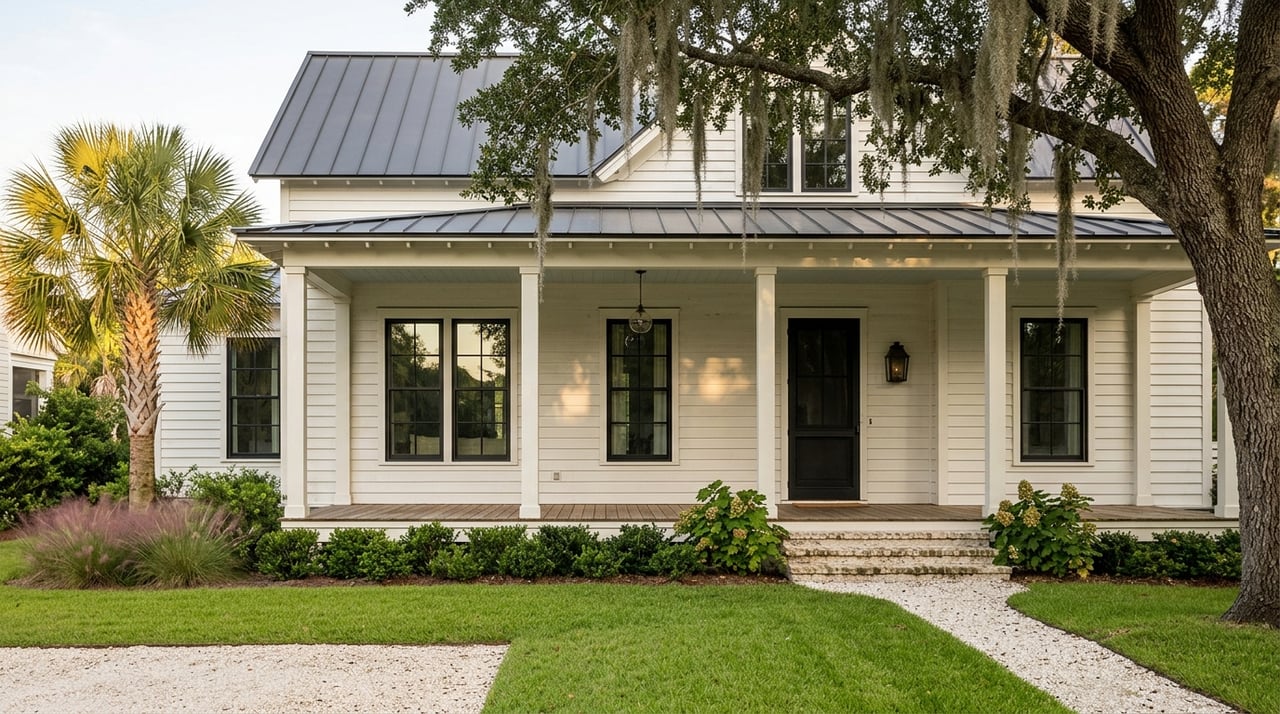
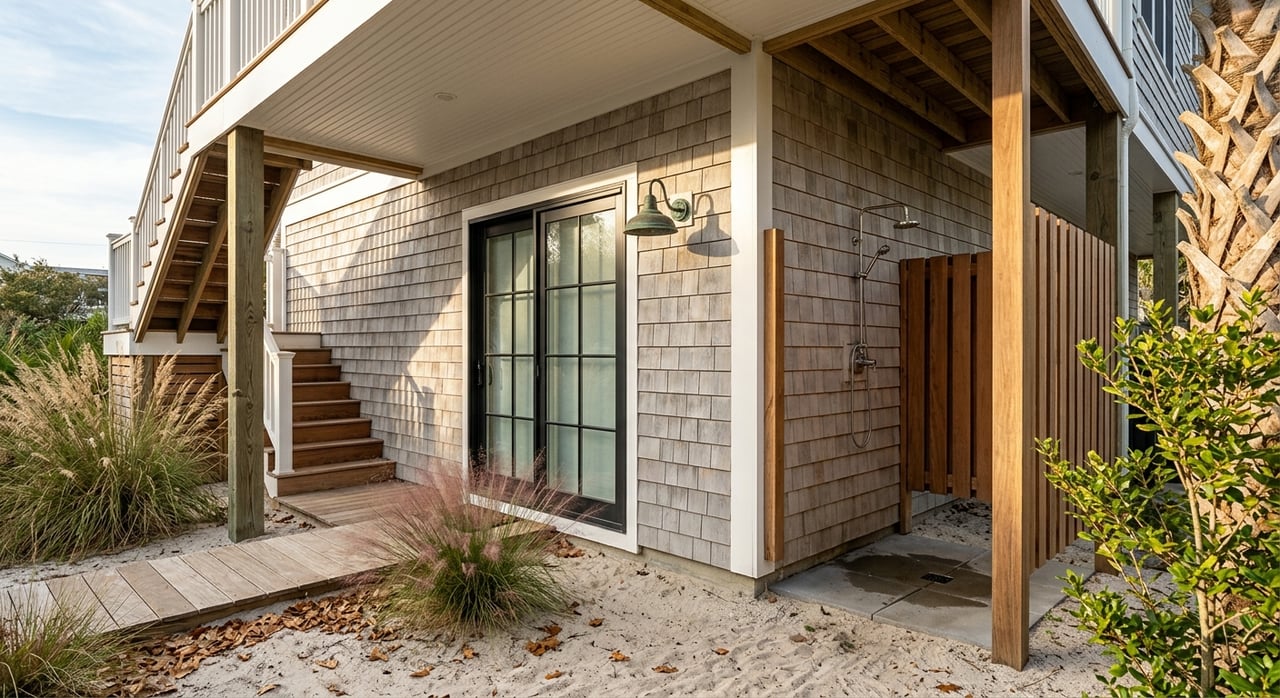
Folly Beach offers a wide mix of homes, which gives second-home buyers more than one path. Available inventory in the local rental marketplace ranges from cozy cottages to large event homes, along with oceanfront homes, two-bedroom condos, homes with pools, and pet-friendly properties.
That variety matters because your best fit may depend on how you plan to use the property. If you want lower day-to-day upkeep, a condo-style option may feel easier to manage. If you want space for extended family, larger gatherings, or a more private setup, a single-family beach house may make more sense.
Flood Risk Should Be a Core Decision Factor
On Folly Beach, flood exposure is not a side issue. The city states that the entire City of Folly Beach is in a flood hazard area, which makes flood review one of the most important parts of your buying process.
You should also know that flood insurance is separate from a standard homeowners policy. The city participates in the National Flood Insurance Program and the Community Rating System, and it notes that NFIP coverage generally has a 30-day waiting period before it takes effect.
For you as a buyer, this means flood planning should happen early. It is wise to review flood zone information, elevation certificates when available, and how elevation and location may affect premium costs before you close.
Coastal Construction Limits Matter
A second home on Folly Beach is also a coastal property with physical and regulatory constraints. The city identifies chronic erosion as its largest beach-management challenge, driven in part by the Charleston Harbor jetties.
That matters because the city’s beach-management framework addresses issues such as lot coverage, maximum house size, setbacks, nonconforming structures, multifamily restrictions on beachfront property, and private dune walkovers. If you are buying with plans to expand, rework, or rebuild, it is smart to stay conservative with your assumptions.
Expect Carrying Costs Beyond the Mortgage
One of the biggest mistakes second-home buyers can make is focusing only on the purchase price. On Folly Beach, your carrying costs can look very different from those of a primary residence.
South Carolina tax guidance says a legal residence is assessed at 4%, while second homes are assessed at 6%. Charleston County explains that property tax is based on property value, the assessment ratio, and the millage rate in the applicable taxing district.
That assessment difference can be significant over time. If you are comparing a primary home purchase with a true second home, this is one of the most important cost distinctions to model early.
Other Ownership Costs to Budget For
Beyond taxes, Folly Beach buyers should plan for a few additional cost categories:
- Separate flood insurance
- Ongoing maintenance
- Storm-related repair reserves
- Potential short-term rental taxes and licensing costs, if applicable
Because the city highlights flood risk, erosion, and beach-preservation rules, it is prudent to maintain a repair and maintenance reserve. This is especially important for homes on or near the oceanfront, where conditions can be tougher on structures over time.
Renting Out a Second Home Is Possible, But Rules Are Specific
If you hope to offset costs with occasional rental income, Folly Beach can be more complex than buyers expect. The city has multiple license categories, and the details matter.
Current license types include:
- Long Term Rental licenses for homes rented 30 or more days at a time
- Owner Occupied Short Term Rental licenses for 4% tax-rate properties rented 29 days or less at a time
- Investor Short-Term Rental licenses for 6% tax-rate properties rented 29 days or less at a time
- Provisional Short Term Rental licenses for certain post-closing situations
The city also notes that owner-occupied short-term rental properties may mix 30-plus-day stays with shorter stays. Investor short-term rental properties are not limited by a total-night cap.
Current Rental Limits Buyers Need to Know
For many second-home buyers, the biggest issue is not whether short-term rental use exists. It is whether you can actually obtain the right license after purchase.
Right now, the city says the ISTR waitlist is not open, and no new ISTR licenses are projected for the next business license year. It also says rental licenses are not transferable to a new owner.
That is a major point for buyers. If you are underwriting the purchase based on future short-term rental income, you need to verify what is possible before closing rather than assume an existing setup will carry over.
Rental Use and Tax Classification
There is another important wrinkle. The city says owner-occupied properties rented more than 72 days in a calendar year may lose the 4% property tax rate, while ISTR properties are not limited by total rental nights.
In other words, your intended use, tax classification, and license type need to line up. If they do not, your costs and flexibility may change in ways that affect the value of the purchase.
Buying a Home With Existing Bookings
Some Folly Beach buyers purchase homes that already have rental reservations on the calendar. In those cases, ask early about the city’s temporary license process under the South Carolina Vacation Rental Act.
According to the city, a temporary license can cover rentals for up to 90 days after closing. It may require documents such as the closing statement or contract, the seller’s list of qualified rentals, the management agreement, and proof that bookings were made before closing.
This is one of those details that can shape your first few months of ownership. If preserving booked stays matters to you, make it part of your due diligence plan.
License Renewals and Operating Costs
Owning a rental-capable second home on Folly Beach can become operational quickly. The city’s renewal process asks for property records, proof of accommodations-tax payments, proof of minimum 28-night stays, septic inspection dates, and gross revenue.
The city also says license fees begin at $245 for OSTR and ISTR licenses, plus a rental registration permit fee of $17.50 per $1,000 of income reported on the license. Beginning with the 2024 license year, a property must be rented at least 28 days per year to maintain a rental license.
If you are looking for true lock-and-leave simplicity, these details matter. A property that seems ideal on paper may require more management, compliance, and planning than you expected.
Remodeling Can Affect Rental Status
If part of your plan is to improve the property after purchase, understand how that can affect rental use. The city says the rental license is tied to the structure, not just the owner.
If you add bedrooms, you will need updated proof of parking, updated tax records, and septic capacity. If the home is torn down, the owner must apply for a new license under the cap.
For a second-home buyer, this means renovation plans should be reviewed through both a lifestyle lens and a licensing lens. More space does not automatically mean more rental flexibility.
How to Think About the Right Folly Beach Purchase
The best second-home purchases on Folly Beach usually start with honest priorities. Are you buying mainly for personal use, for occasional rental income, or for a mix of both? Your answer shapes what type of home makes sense and which risks matter most.
A condo may appeal if you want a simpler footprint. A larger house may work better if you want room for guests and extended stays. But no matter which path you take, flood exposure, parking practicality, tax treatment, and rental rules should all be part of the conversation.
Folly Beach can be a rewarding second-home market when you approach it with clear expectations. The goal is not to avoid complexity. It is to understand it well enough to buy with confidence.
If you are exploring a second home on Folly Beach, working with a local team that understands both the lifestyle and the fine print can make the process much smoother. Connect with Sonder Home Team for thoughtful guidance tailored to your goals.
FAQs
What should you know about flood risk when buying a second home on Folly Beach?
- The city states that all of Folly Beach is in a flood hazard area, and flood insurance is separate from standard homeowners insurance.
What property tax difference applies to a Folly Beach second home?
- South Carolina guidance says a legal residence is assessed at 4%, while a second home is assessed at 6%.
What short-term rental license issues affect Folly Beach second-home buyers?
- The city says rental licenses are not transferable to a new owner, and no new ISTR licenses are projected for the next business license year.
What rental duration rules matter for a Folly Beach property?
- The city distinguishes between long-term rentals of 30 or more days and short-term rentals of 29 days or less, with different license types tied to each use.
What practical ownership rules matter on Folly Beach for guests and family visits?
- Beach rules and parking enforcement are important because dogs are seasonally restricted, alcohol is not allowed on the beach, and vehicles cannot park on roadways, sidewalks, dunes, or revetments.