Ever wonder what it feels like to live in a true surf town just minutes from historic Charleston? If you want a laid-back beach lifestyle with room for sunrise walks, live music, and salty-air evenings, Folly Beach might be your spot. In this guide, you’ll learn what daily life looks like, how the seasons shift the pace, what kinds of homes you can find, and the key things to know before you buy. Let’s dive in.
Folly Beach at a glance
- Location: barrier-island town south of downtown Charleston, connected by Folly Road.
- Vibe: relaxed, outdoors-focused surf community with a friendly, informal pace.
- Who lives here: a mix of year-round residents, second-home owners, and vacation visitors.
- Commute: typical drives to downtown Charleston often range from about 20 to 40 minutes depending on traffic and season.
Neighborhood personality
Folly Beach is often described as a classic surf town. Center Street anchors daily life with casual restaurants, bars, surf shops, and small businesses that serve locals and visitors. Summer brings a lively scene and more crowded weekends. The off-season is quieter, with a slower, neighborly rhythm that many year-round residents love.
A day in the life
Start your morning with coffee and a beach walk near the Folly Beach Pier. If you surf, local breaks draw a dedicated community when conditions line up. Midday might mean lunch on Center Street or a quick stop at a surf shop. Afternoon brings time on the Folly River, whether you kayak, paddleboard, or take a relaxed boat ride through the marsh. Evenings often center on casual dinners and live music.
Beaches and outdoor fun
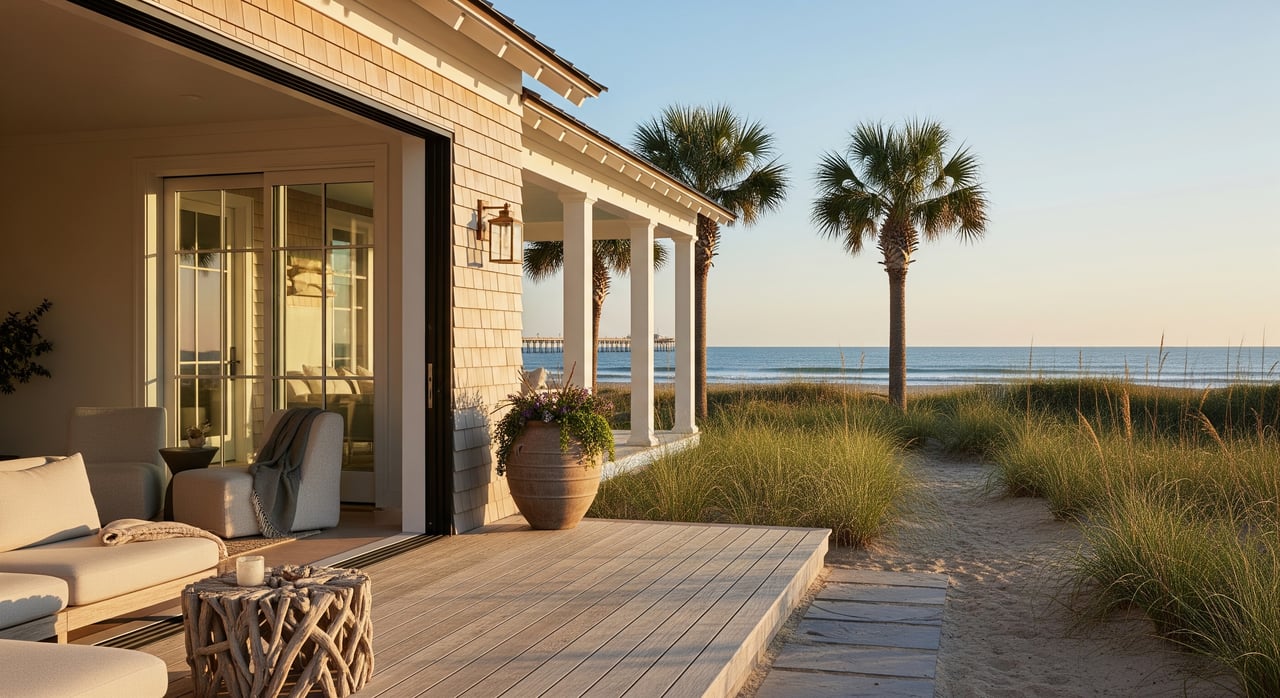
Folly’s oceanfront offers wide, public beaches for walking, fishing, and sun. You can fish from the pier and find surfable waves when the swell is right. On the river side, the marsh provides access for kayaking, paddleboarding, and boating. There are public access points, seasonal lifeguard coverage in select areas, and public parking options. Rules and schedules can change, so confirm beach access, lifeguard details, and parking regulations with the City.
Getting around and the commute
Folly Road is the main route on and off the island. Reaching downtown Charleston typically takes about 20 to 40 minutes depending on time of day and season. Summer weekends and special events can add time, so plan accordingly. Public transit options are limited. If you depend on buses or park-and-ride, check current routes with local transit providers.
Homes and where to look
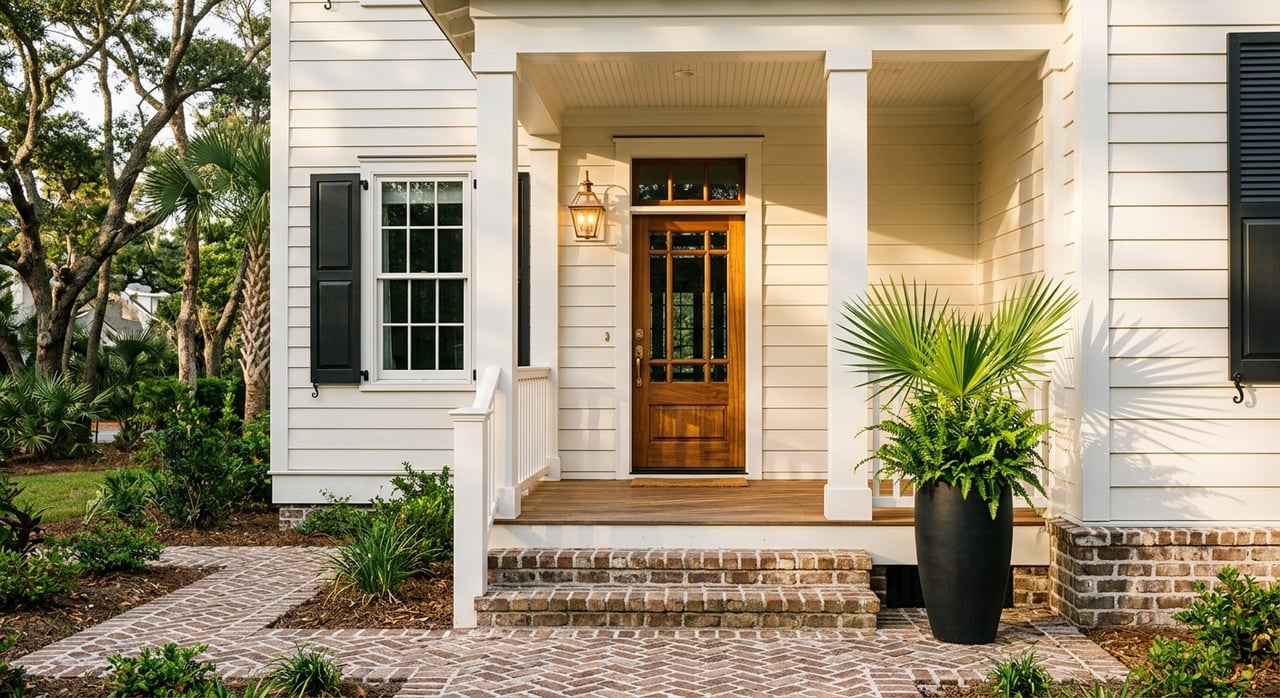
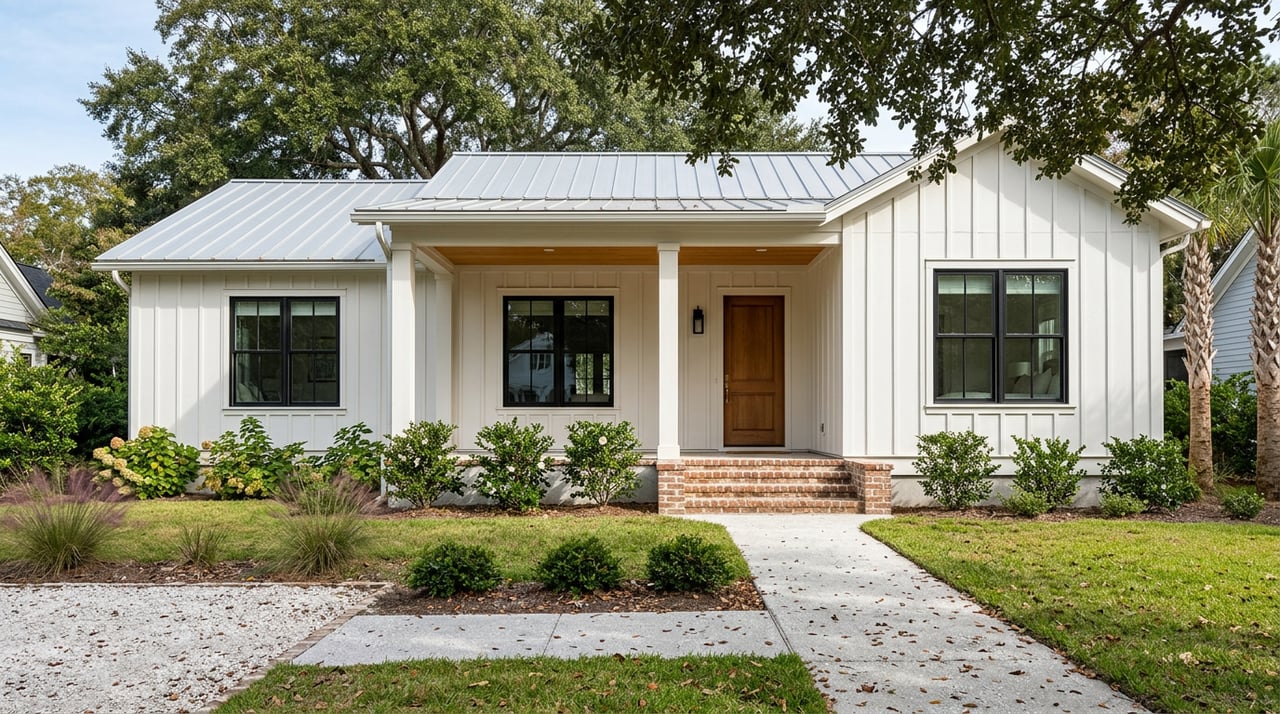
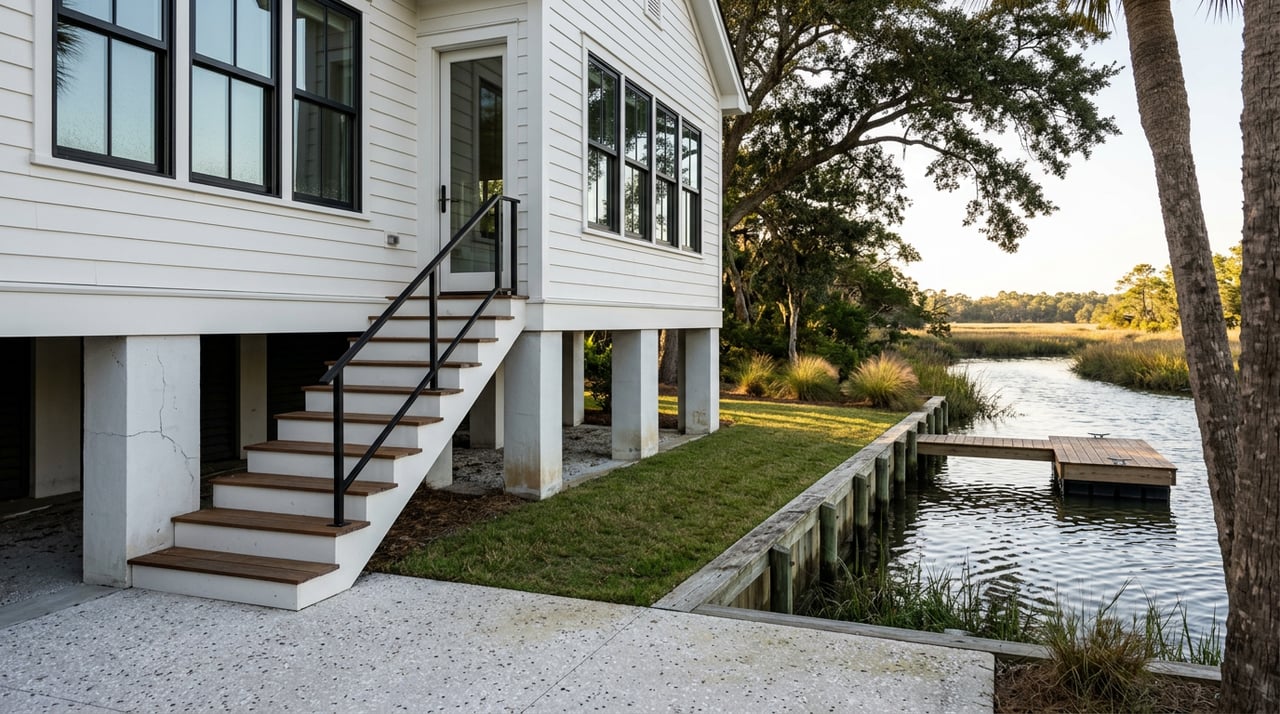
You will find a mix of classic beach cottages, mid-rise or garden-style condos, and newer elevated homes built on pilings. Older parts of the island often have smaller lots, while newer homes tend to maximize elevation and living space. Proximity to the ocean or marsh, lot elevation, and view lines shape both lifestyle and value. Oceanfront homes command premiums, while inland condos and older cottages can be more approachable entry points.
What buyers should consider
- Elevation and flood factors affect insurance, financing, and long-term upkeep.
- Renovations vary widely, from original cottages to fully rebuilt elevated homes.
- Walkability to Center Street and the beach depends on where you buy.
- Parking availability can be tight near popular beach access points in peak season.
Short-term rentals and community rhythm
Folly Beach supports a noticeable short-term rental market. This helps fuel local businesses and shapes the seasonal population. Regulations for licensing, occupancy, noise, and taxation can change over time. If you plan to rent, confirm current short-term rental rules with the City and review neighborhood expectations so you stay compliant and considerate of year-round residents.
Insurance, lending, and inspections
Folly’s coastal setting means you should plan for flood, wind, and salt-air exposure when budgeting for ownership. Lenders may request elevation certificates and careful inspection reports. Compare both NFIP and private flood insurance options and confirm coverage details with a qualified agent.
A coastal due-diligence checklist
- Elevation certificate and current flood zone verification.
- Full home inspection with extra attention to pilings, structural elevation, and moisture.
- Roof assessment and wind-mitigation features.
- Termite and wood-boring insect inspection.
- HVAC and appliance corrosion check.
- Mold and air-quality evaluation.
- Seawall, bulkhead, and erosion review where applicable.
Weather, seasons, and resiliency
Hurricanes and tropical systems are a reality in coastal South Carolina, with the most active months generally June through November. Flooding, storm surge, and beach erosion are ongoing considerations that influence local building practices and maintenance. Review FEMA flood maps, speak with local insurance providers about risk scenarios, and create a simple household storm plan. Know your evacuation route and keep critical documents ready each season.
Everyday services and logistics
Center Street covers dining and some daily needs, but many residents head off-island for large grocery runs and specialized services. On-island, you will find small clinics or urgent care nearby, while major hospitals are in Charleston. Some properties connect to town water and sewer, and others may rely on different setups depending on location and age, so verify utility details during due diligence. Internet speeds and electrical resilience can vary by street. Ask about fiber availability and consider backup power options if you work from home.
Schools and family resources
Public schools are part of the Charleston County School District. School zones, programs, and transportation can change over time, so confirm current assignments with the district. On-island childcare options are limited, and many families look off-island for more choices. Parks, beaches, and outdoor activities offer plenty of unstructured play space, and community events happen throughout the year.
Is Folly Beach right for you?
If you want a laid-back surf-town lifestyle within driving distance of Charleston, Folly Beach delivers with miles of sand, a lively Center Street scene, and quick access to the marsh and river. Living here also means planning for seasonal crowds, coastal maintenance, and thoughtful insurance coverage. With the right guidance, you can find a home that fits your pace, budget, and view.
Ready to explore homes on Folly Beach or sell with confidence? Reach out to the Sonder Home Team for local insight, smart strategy, and concierge support through every step.
FAQs
How long is the commute from Folly Beach to downtown Charleston?
- Typical drive times often range from about 20 to 40 minutes depending on traffic and season.
Are short-term rentals allowed on Folly Beach?
- Short-term rentals operate on the island, but licensing, occupancy, and tax rules can change, so confirm current requirements with the City before you buy or list.
What types of homes are common on Folly Beach?
- You will see classic cottages, condos, and newer elevated single-family homes on pilings, with value shaped by elevation, proximity to water, and views.
What should buyers know about flood insurance on Folly Beach?
- Many properties need flood coverage and lenders may ask for elevation certificates, so compare NFIP and private options and align coverage with your risk tolerance.
How does tourist season affect daily life on Folly Beach?
- Summer brings more visitors, busier restaurants, and tighter parking near beach access, while the off-season is generally quieter and easier to navigate.
Where do residents go for schools and healthcare services?
- Public schools are in the Charleston County School District and major hospitals are in Charleston, while on-island and nearby clinics cover routine or urgent needs.