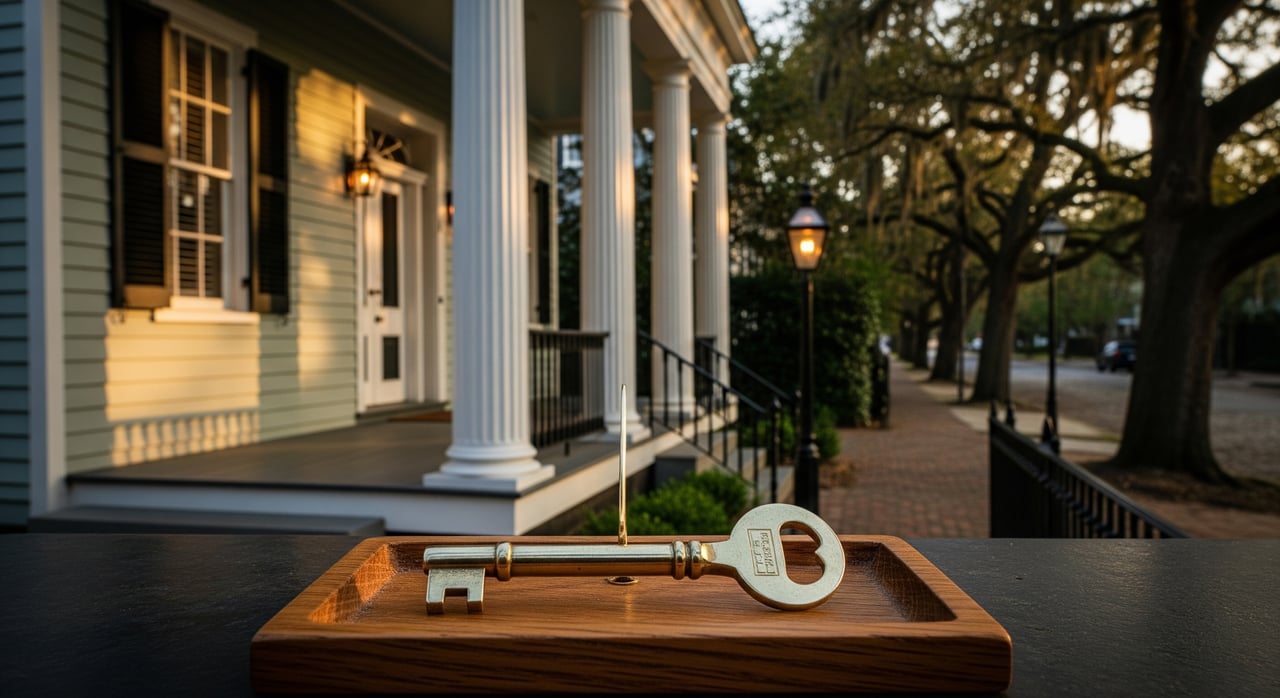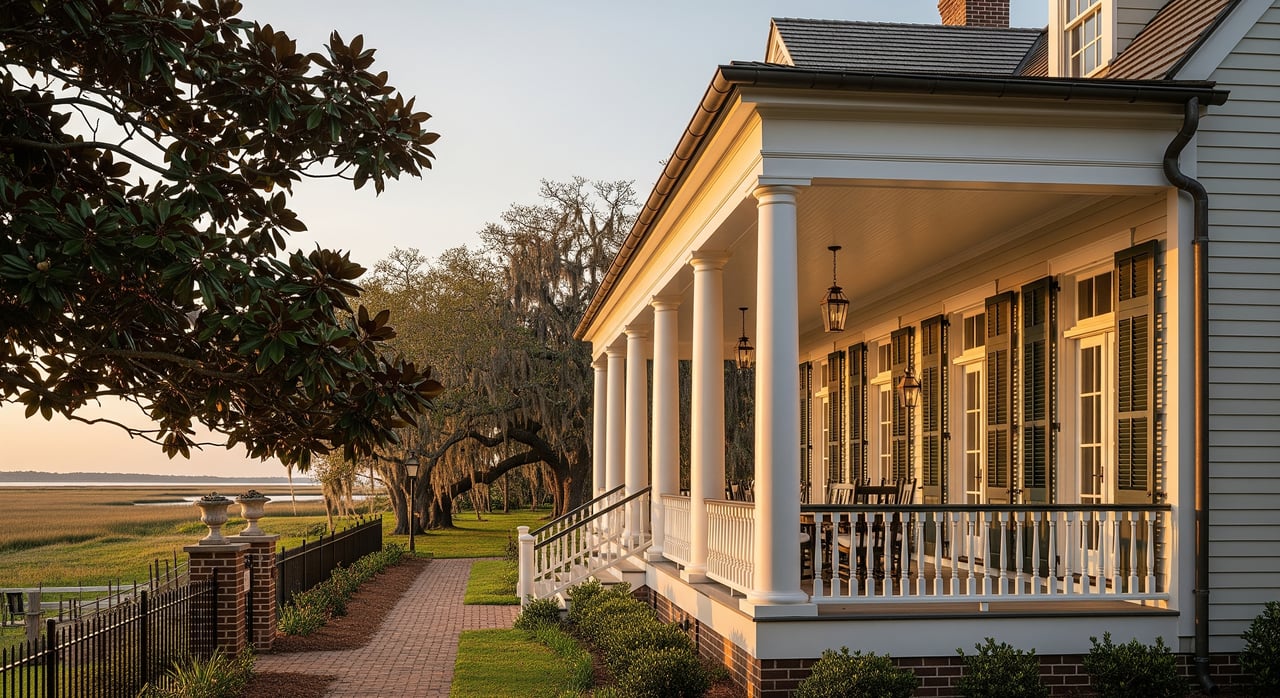
Picture yourself on a breezy porch with ceiling fans turning and sweet tea in hand. That image draws many people to Charleston, but the homes that make it possible vary in design, upkeep, and daily flow. If you are relocating or planning to tour homes, understanding the Lowcountry styles will help you choose a house that fits your lifestyle, budget, and long-term goals. This guide breaks down the core Charleston styles, how they live, what they cost to maintain, and how buyers view them at resale. Let’s dive in.
Charleston single house basics
A Charleston single house presents a narrow face to the street with its long side running perpendicular to it. Inside, the floor plan is typically one room wide with stacked rooms and a side piazza that extends the length of the house. The form emerged in the 18th and 19th centuries to suit narrow urban lots and to capture cross-breezes in a warm, humid climate.
Material details add to its character. You often see wood siding like weatherboard or cypress, raised brick piers or English basements, and historic wood floors. Roofs can be gable or hip, and operable shutters are common. Builders historically oriented piazzas to catch prevailing breezes, which still benefits everyday living today.
How a single house lives
Expect vertical living and narrow circulation. Rooms stack front to back with formal spaces toward the street and service rooms toward the rear. The side piazza functions like a semi-outdoor room that adds real usable space in Charleston’s mild seasons. Unless renovated, many single houses do not have large open kitchens that you see in newer construction.
Maintenance considerations
Moisture and wood are your main concerns. Regularly inspect piazza joists, decking, and railing connections, and plan for repainting and resealing on a schedule. Historic windows, shutters, and siding often require specialized trades and historically appropriate materials, which can increase project timelines and costs. Retrofitting HVAC in older fabric takes planning, and ductless mini-splits are sometimes used to reduce invasive work.
Resale and review in historic districts
Correctly preserved single houses command strong interest in Charleston’s historic neighborhoods because they embody the city’s identity. If the property sits in a designated historic district, exterior changes like enclosing a piazza or altering windows typically require review by the City of Charleston’s Board of Architectural Review. Buyers love the cachet and stability of these districts, though approvals can lengthen project timelines.
Piazzas: Charleston’s outdoor room
The piazza is central to Lowcountry living. On single houses, this side porch is a shaded extension of your living room that supports dining, reading, and conversation. Elevated floors, wood decking, and columned railings are common features, and many owners add screening and fans to widen seasonal use.
Piazzas need consistent care. Inspect for joist rot, loose fasteners, paint failure, and soft boards. If portions were enclosed in the past, ask about ventilation and condensation management, since enclosed spaces can trap moisture. In historic districts, conversions or enclosures often require review before you make changes.
Coastal Craftsman style explained
Lowcountry Craftsman and bungalow variants adapt classic Arts and Crafts ideas to coastal conditions. You will recognize broad front porches, sometimes wraparounds, tapered columns, exposed rafters, and practical built-ins. Plans are wider and more informal than a single house, and materials often include cypress, treated lumber, and metal roofing for durability in humidity and salt air.
You can find Craftsman pockets in early 20th century neighborhoods and in suburbs around Charleston such as parts of West Ashley, Mount Pleasant, and older island communities. These homes tend to offer open public rooms, mudrooms, and porch-centered living that suits modern daily life.
Craftsman living and upkeep
Craftsman layouts often support single-level or one-and-a-half-story living, which reduces stair count. The big front porch integrates indoor-outdoor flow for gatherings and daily routines. Maintenance focuses on protecting wood, monitoring porch connections, and managing moisture with solid gutters and flashing. Metal roofs stand up well to wind and salt with the right fasteners and careful flashing.
Resale appeal
Well-executed Craftsman homes are popular with buyers who want a blend of character and open-plan function. Outside of strict historic review areas, it is usually easier to complete kitchen expansions or primary suite updates, which can widen the buyer pool at resale.
Elevated and flood-adapted homes
Elevated designs raise living spaces above ground on piers or piles with storage or parking below. On barrier islands and waterfront settings, modern builds may include breakaway walls on the ground level. These forms respond to tidal flooding, storm surge, and local codes that set minimum finished-floor elevations in mapped flood zones.
Elevated living and daily flow
You get views, breezes, and a layer of flood resilience, but you also add stairs to daily routines. Some newer builds incorporate elevators or generous stair designs to improve accessibility. Under the house, open-air areas or enclosed storage need proper drainage and ventilation to deal with moisture.
Flood, insurance, and code notes
Always verify FEMA flood zone designations and ask for any elevation certificate on file. Elevated homes can lower flood insurance premiums compared to similar non-elevated options, though they do not remove other coastal risks. In Charleston-area jurisdictions, significant renovations or rebuilds must meet current base flood elevation and flood-resilient construction requirements.
Market perception
Many buyers prioritize resiliency, which boosts interest in elevated homes. Others hesitate due to stair counts or a different curb appeal compared to ground-level houses. Clarity about accessibility and maintenance can help you position these homes well when you sell.
Other Lowcountry forms to know
You will also encounter Greek Revival townhouses, Creole or plantation-influenced cottages, and shotgun variants. These appear across the region but are less common than the single house, Craftsman, and elevated coastal forms. If you are drawn to a niche style, weigh the maintenance needs and availability of trades that understand the specific details.
Climate realities across styles
Charleston’s humidity, salt air, and termites affect every home. Wood rot, rust on metal connectors, and accelerated paint wear are common. Moisture management is central, including flashing, gutters, crawlspace ventilation or encapsulation, and deck drainage. Metal roofs often outperform asphalt in wind and salt, but they require marine-appropriate fasteners and careful detailing to avoid corrosion.
Space and outdoor living in context
Piazzas and porches extend seasonal living space, especially with screening and ceiling fans. Expect limited yard size with single houses in the historic core. Suburban Craftsman and coastal elevated homes typically come with larger yards, driveways, and garage options that support storage and outdoor recreation.
Accessibility and aging in place
Historic single houses often feature multiple narrow staircases and fewer ground-floor bedrooms. Elevated homes place the main living level above grade, which increases daily stair use. If mobility is a concern, count flights carefully and evaluate the feasibility of a lift or elevator. In historic districts, substantial changes may require review before you proceed.
Neighborhood lens and buyer fit
Downtown areas such as Harleston Village and South of Broad deliver walkability, architectural authenticity, and the unique rhythm of historic fabric. Buyers who prioritize those qualities should be ready for smaller yards and higher maintenance of historic materials. In Mount Pleasant, West Ashley, and on islands like Sullivan’s and Isle of Palms, you will see more Craftsman and modern elevated homes with larger lots and contemporary layouts. Newer waterfront developments often favor elevated designs with modern materials that aim for lower maintenance and strong resiliency.
Key decisions before you tour
Choosing the right style is a balance of lifestyle and risk tolerance. Ask yourself how much you value historic authenticity versus open-plan living. Consider your comfort with stairs today and in the future. Clarify your appetite for ongoing wood and paint care, and your approach to flood and insurance planning. If you plan to renovate, confirm whether the property sits inside a local historic district and what that means for your timeline.
Buyer checklist: what to request early
- Flood and elevation: FEMA flood zone, local floodplain designation, and any elevation certificate.
- Insurance history: past homeowners and flood policies, any claims, and current or recent premium amounts to verify with your insurer.
- Historic status and rules: whether the property is in a local historic district and which exterior changes require review by the City of Charleston’s Board of Architectural Review.
- Recent major work: roof replacement, structural repairs under elevated homes, termite treatments, HVAC replacements, and any flood mitigation or elevation work.
- Foundation and under-house access: inspection access beneath raised houses and recent reports on piers, piles, skirting, and drainage.
Touring tips and inspection questions
- How does the house handle moisture: gutters, flashing, crawlspace ventilation or encapsulation, and dehumidifiers.
- Piazza and porch structure: joists, decking, railings, and any enclosed sections, including when and how they were modified.
- Corrosion check: fasteners, gutters, flashing, and outdoor HVAC units for salt-related wear.
- Accessibility: exact number of stair flights to the main living level, and feasibility of a lift or elevator if needed.
- Historic approvals: what changes were recently permitted and whether restrictions will affect planned renovations.
Budget and specialists to plan for
- Historic-appropriate exterior work on siding, windows, and shutters.
- Moisture remediation under raised houses with drainage upgrades and ventilation solutions.
- Termite and pest contracts with scheduled inspections.
- Coastal-grade metal roofing, flashing, and prompt attention to leaks.
- HVAC staging or replacement in older homes, sometimes with ductless options where space is tight.
Your next step in Charleston
You have plenty of great choices, and the right fit comes down to how you want to live. A single house offers character and cultural connection, a Craftsman gives you porch-forward comfort and open rooms, and an elevated home balances coastal views with resilience. As you narrow your options, align style with your tolerance for maintenance, stairs, and review timelines, and verify flood and insurance details early. When you are ready, we will help you compare neighborhoods, evaluate the trade-offs, and move with confidence.
If you want tailored guidance from a team that pairs local insight with premium client care, connect with the Sonder Home Team. We will help you tour smarter, negotiate clearly, and land the Lowcountry home that matches your story.
FAQs
What defines a Charleston single house?
- A narrow façade facing the street with a one-room-wide plan, stacked rooms, and a side piazza running the length of the house, often oriented to catch breezes.
How do piazzas impact daily living and upkeep?
- They act like seasonal outdoor rooms that expand living space, but they need regular inspection for rot, loose fasteners, and periodic repainting or resealing.
What should I know about flood risk and elevated homes?
- Elevated homes can lower flood insurance costs compared to non-elevated options, but you should verify FEMA flood zones and request any elevation certificate on file.
Are Craftsman homes common outside downtown Charleston?
- Yes, Lowcountry Craftsman and bungalow forms appear in early neighborhoods and suburban areas like parts of West Ashley, Mount Pleasant, and older island communities.
What are key maintenance issues in Charleston’s climate?
- Humidity, salt air, and termites drive wood rot, corrosion, and paint wear, so moisture management and coastal-grade materials are essential across all styles.
Can I enclose a piazza in a historic district?
- Possibly, but exterior changes such as enclosing a piazza usually require review by the City of Charleston’s Board of Architectural Review before work begins.